Better Start Bradford and BiBBS
JU:MP and physical activity
Wider oral-health prevention
Supervised toothbrushing
COVID-19 response
Food insecurity and nutrition
Better Start Bradford and BiBBS
Born in Bradford led an early-years research programme on how to give children in Bradford a better start in life. It focused on four areas: healthy eating, parenting, physical activity, and speech and language.
What we learned has helped shape the support families receive through Family Hubs and Start for Life.
The programme has influenced which services are funded and delivered across Bradford. It is backed by a £49 million partnership investment in Better Start Bradford.
JU:MP and physical activity
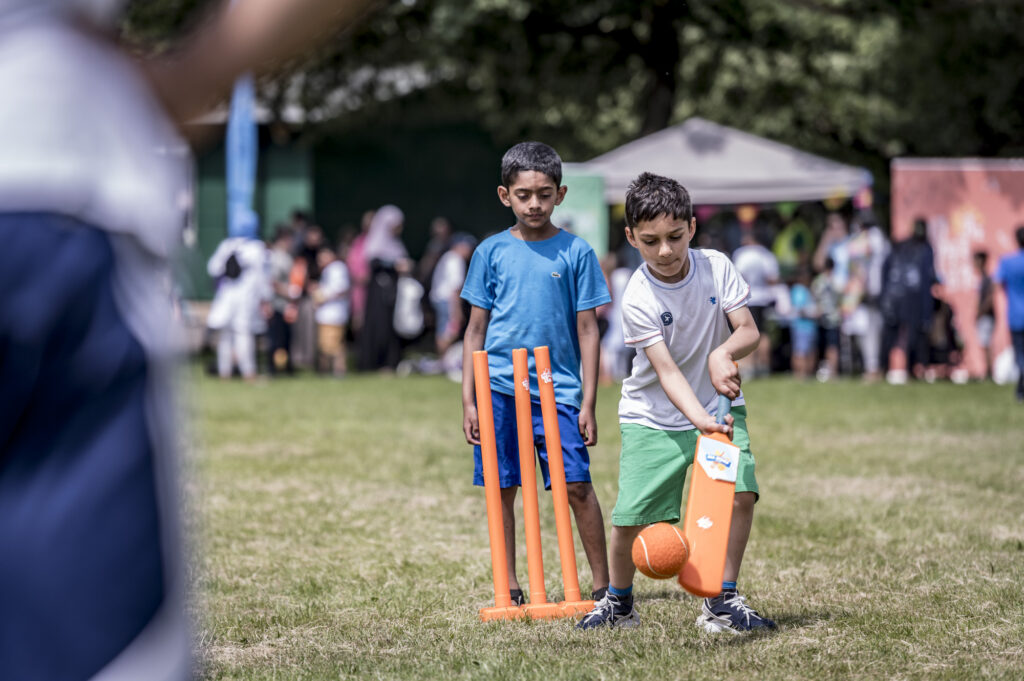
We have developed and evaluated a new whole-system way to help children in disadvantaged communities be more active. It has been built on earlier BiB intervention studies.
Through JU:MP programme, total children’s physical activity increased by 8.7 additional minutes daily.
On weekdays, children spent 5.7 more minutes in moderate-to-vigorous activity, the kind that gets children breathing harder and their hearts beating faster.
Wider oral-health prevention
Born in Bradford research has shown how common tooth decay is among children in Bradford, and has also developed new ways to prevent it, including:
- supervised toothbrushing in nurseries and schools
- training for health visitors
- promoting good oral health in schools
- tailored support for parents of children with autism
Supervised toothbrushing
Through BRUSH research programme, BiB findings have shaped plans for a national supervised toothbrushing programme for children living in the 20% most deprived areas of England.
BRUSH surveys found participation increased from 106,273 children in 2022 to 238,636 in 2025, alongside wider national action.
COVID-19 response
When COVID-19 hit, BiB set up the award-winning Bradford COVID-19 Scientific Advisory Group (C-SAG). Working in partnership with the NHS and the local council, it used our research expertise and infrastructure to support Bradford’s response to the pandemic and its recovery.
BiB findings showed how the pandemic and restrictions were affecting families: their mental health, financial insecurity, activity and vaccine confidence. The council and the NHS used this evidence to shape their response and to meet the different needs of different communities and groups.
Food insecurity and nutrition
Our research showed that when families are struggling financially, it affects their diet and wellbeing as a whole.
We worked with schools and the council to develop free-school-meal enrolment and dietary guidance.
Our work has influenced national policy on free school meals.
Better Start Bradford and BiBBS
Better Start Bradford and BiBBS
Born in Bradford led an early-years research programme on how to give children in Bradford a better start in life. It focused on four areas: healthy eating, parenting, physical activity, and speech and language.
What we learned has helped shape the support families receive through Family Hubs and Start for Life.
The programme has influenced which services are funded and delivered across Bradford. It is backed by a £49 million partnership investment in Better Start Bradford.
JU:MP and physical activity
JU:MP and physical activity
We have developed and evaluated a new whole-system way to help children in disadvantaged communities be more active. It has been built on earlier BiB intervention studies.
Through JU:MP programme, total children’s physical activity increased by 8.7 additional minutes daily.
On weekdays, children spent 5.7 more minutes in moderate-to-vigorous activity, the kind that gets children breathing harder and their hearts beating faster.
Wider oral-health prevention
Wider oral-health prevention
Born in Bradford research has shown how common tooth decay is among children in Bradford, and has also developed new ways to prevent it, including:
- supervised toothbrushing in nurseries and schools
- training for health visitors
- promoting good oral health in schools
- tailored support for parents of children with autism
Supervised toothbrushing
Supervised toothbrushing
Through BRUSH research programme, BiB findings have shaped plans for a national supervised toothbrushing programme for children living in the 20% most deprived areas of England.
BRUSH surveys found participation increased from 106,273 children in 2022 to 238,636 in 2025, alongside wider national action.
COVID-19 response
COVID-19 response
When COVID-19 hit, BiB set up the award-winning Bradford COVID-19 Scientific Advisory Group (C-SAG). Working in partnership with the NHS and the local council, it used our research expertise and infrastructure to support Bradford’s response to the pandemic and its recovery.
BiB findings showed how the pandemic and restrictions were affecting families: their mental health, financial insecurity, activity and vaccine confidence. The council and the NHS used this evidence to shape their response and to meet the different needs of different communities and groups.
Food insecurity and nutrition
Food insecurity and nutrition
Our research showed that when families are struggling financially, it affects their diet and wellbeing as a whole.
We worked with schools and the council to develop free-school-meal enrolment and dietary guidance.
Our work has influenced national policy on free school meals.
Featured in news
BBC News: Study gets £4.5m to examine children’s health
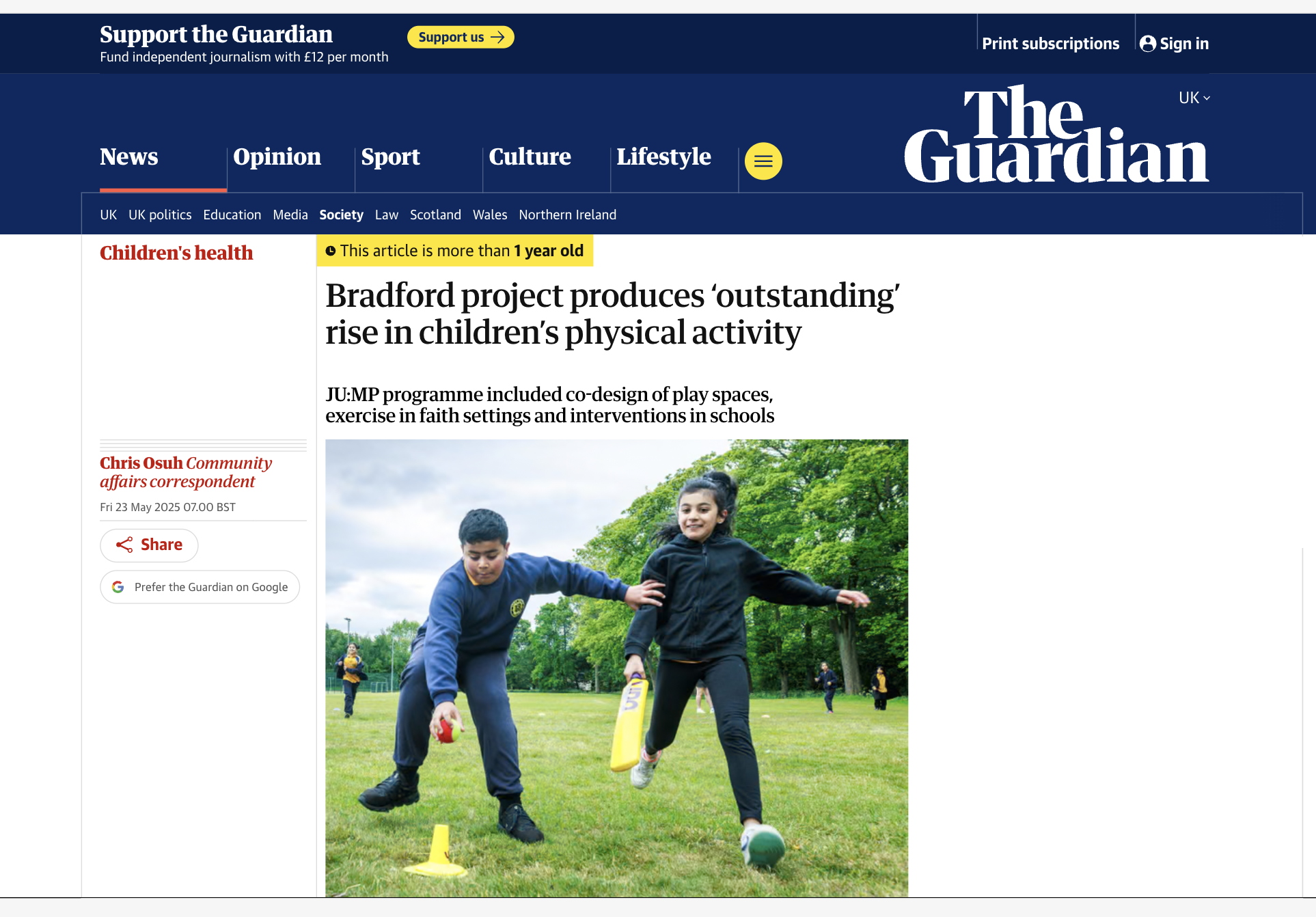
The Guardian: Bradford project produces ‘outstanding’ rise in children’s physical activity
BBC News: Toothbrushing clubs in schools ‘face barriers’

Telegraph & Argus: High levels of takeaways in Bradford raises health concerns
Case studies and briefs
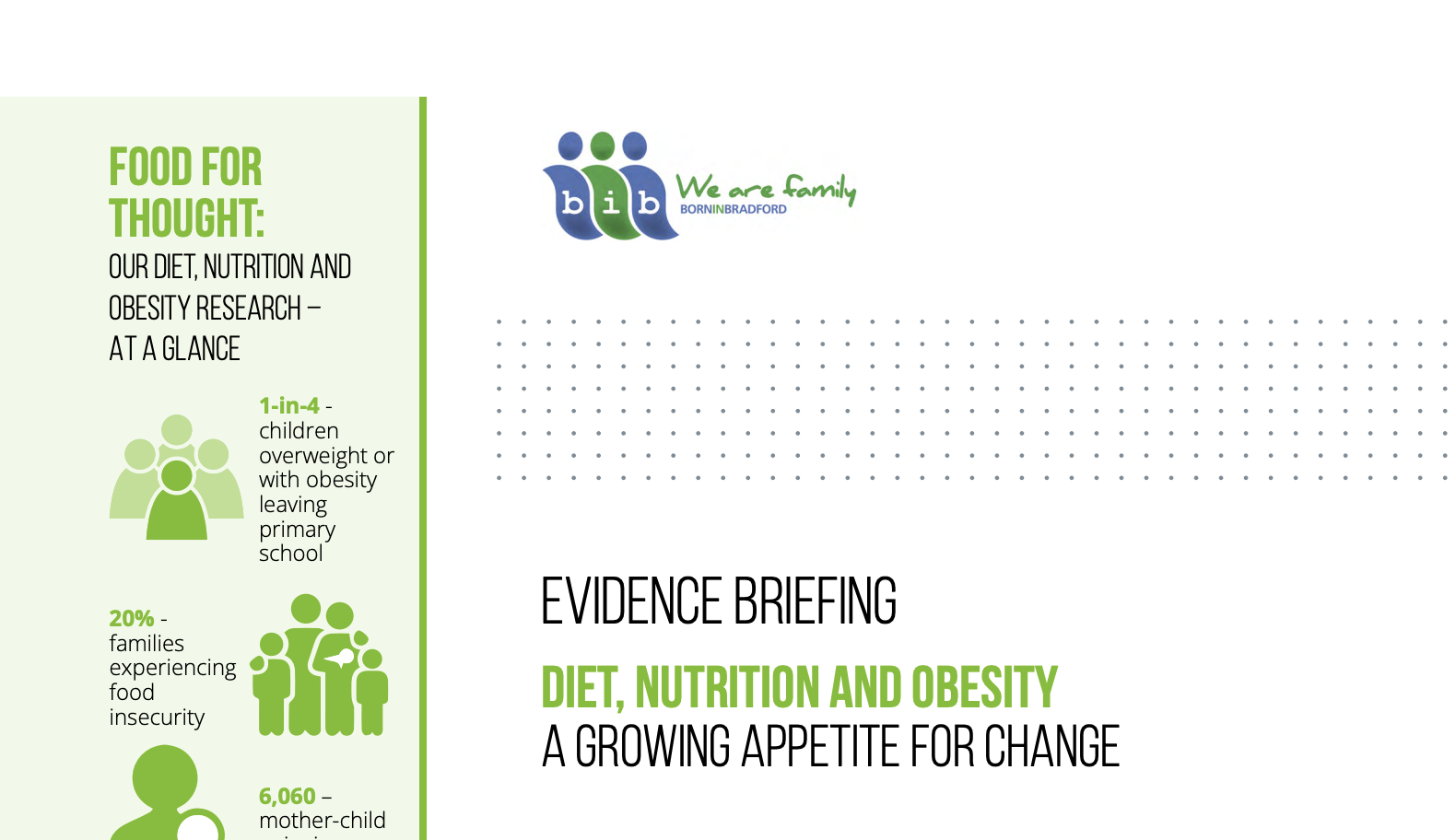
Evidence briefing: Diet, Nutrition and Obesity: A Growing Appetite for Change
Briefing document
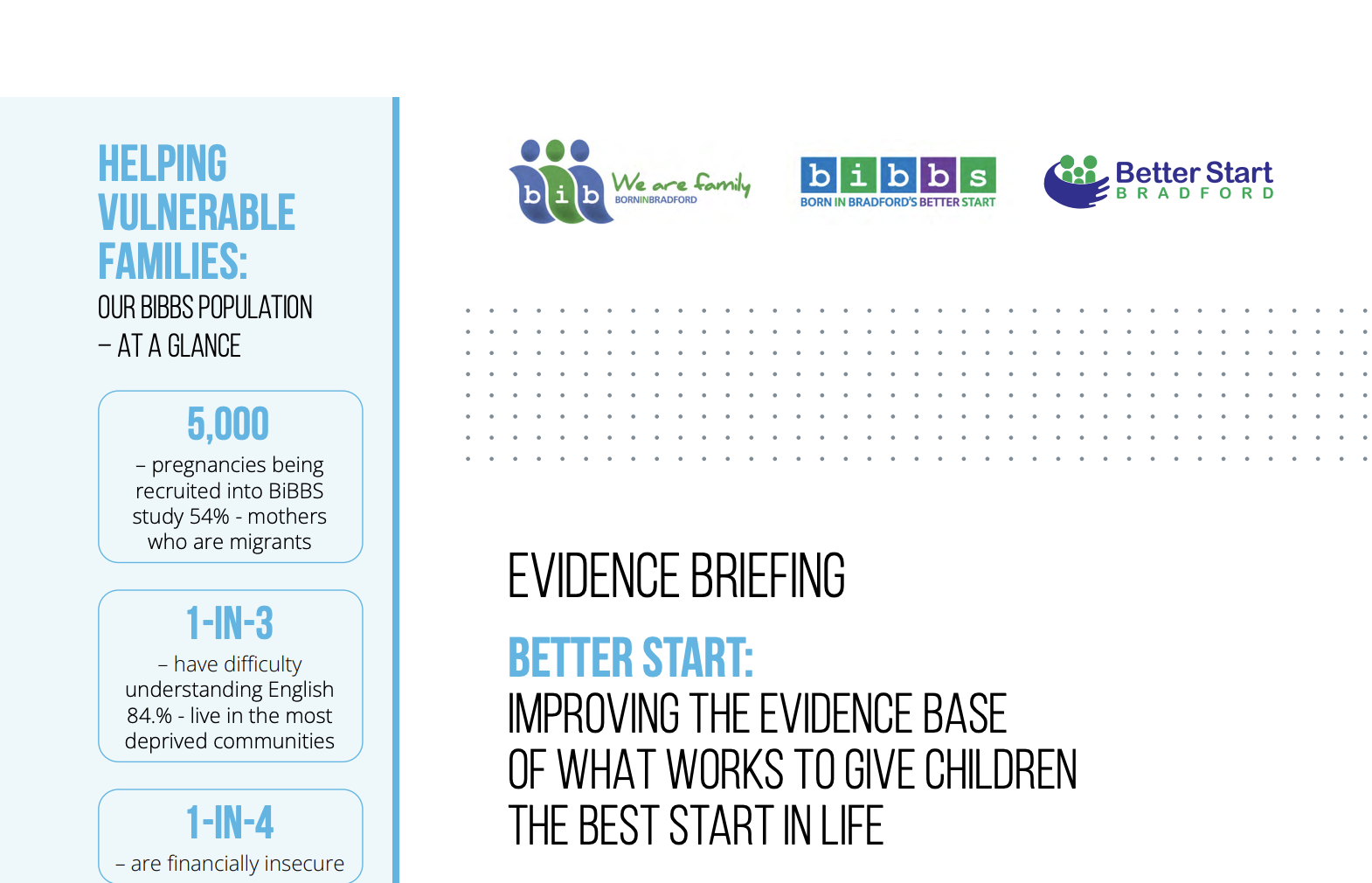
Better Start: improving the evidence base of what works to give children the best start in life
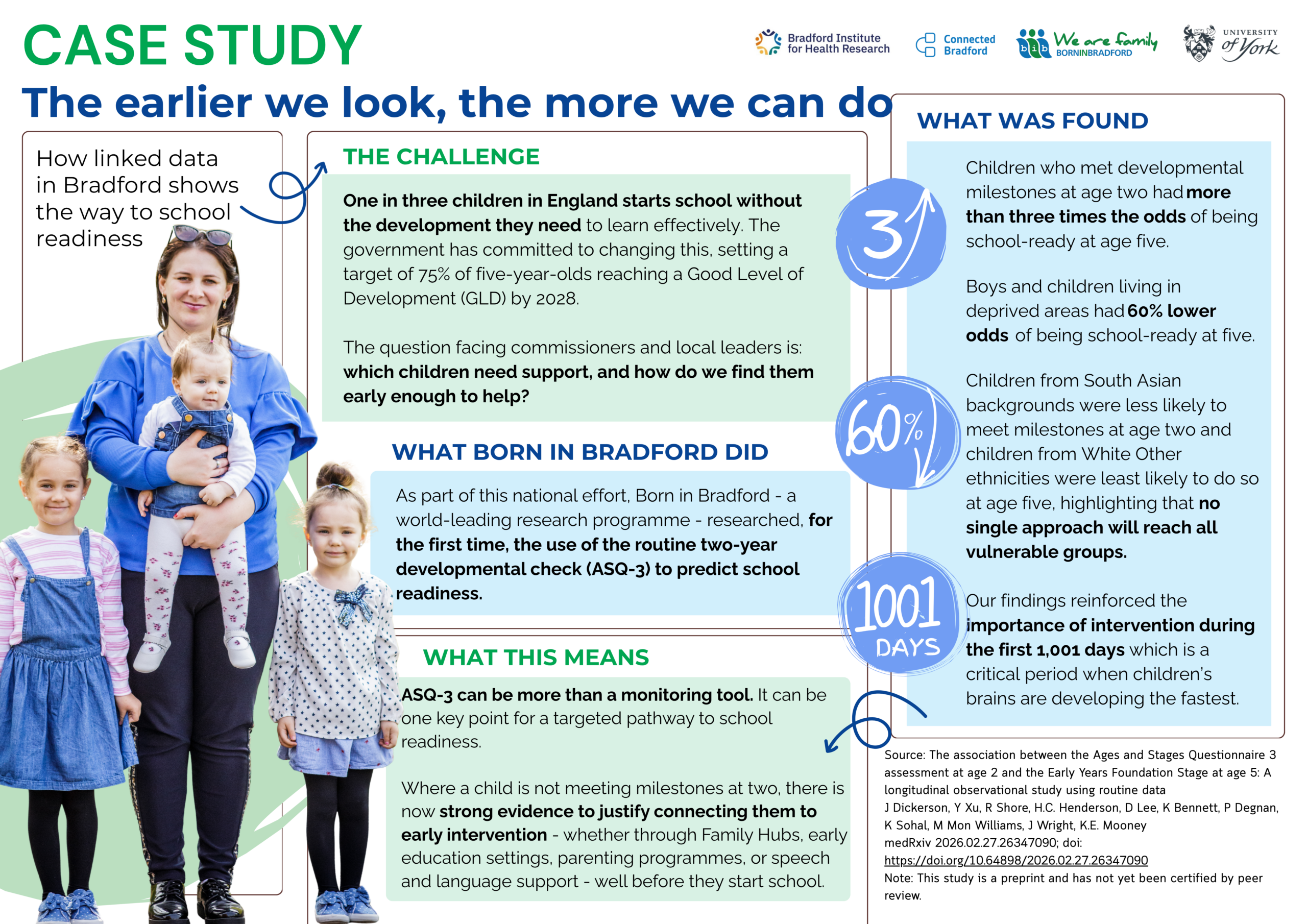
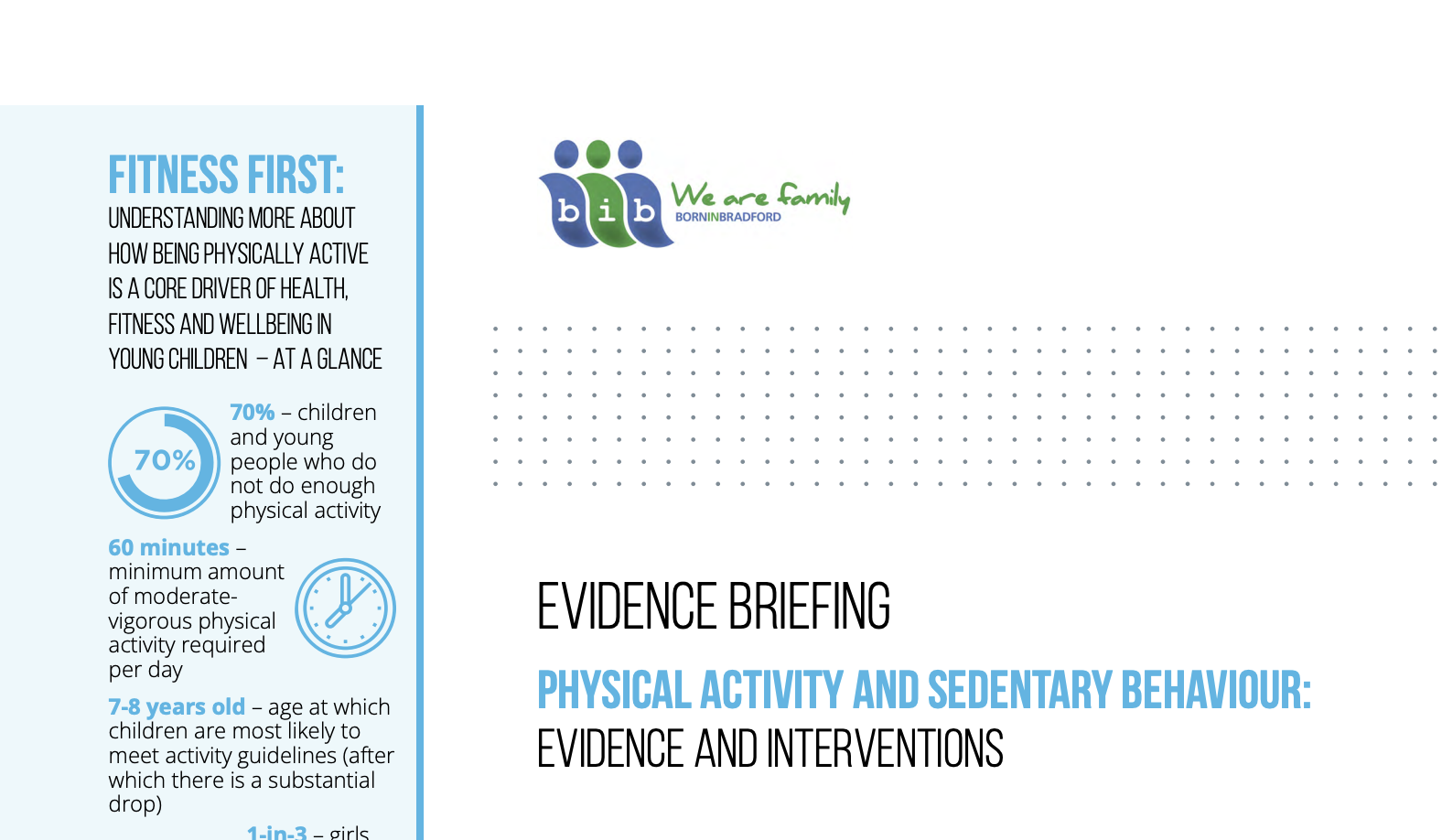
Evidence briefing: Physical Activity and Sedentary Behaviour
Sign Up to Our Newsletter
Stay informed and inspired — sign up for our newsletter to receive the latest updates, research insights, and ways to get involved directly in your inbox!
"*" indicates required fields
