
Gestational diabetes
Perinatal mental health
Earlier identification of autism
Congenital anomalies
Genetics
Gestational diabetes
Born in Bradford team has supported testing for gestational diabetes (diabetes that develops during pregnancy) for every pregnant woman in Bradford, and we evaluated how well it worked.
As a result, when testing was offered to women in Bradford, the number of diagnoses rose almost fourfold. A review of past records (a retrospective evaluation) found that women diagnosed with gestational diabetes had better outcomes.
Our research also provided evidence on glucose-related risks in pregnancy, and how the levels used to diagnose gestational diabetes differ between ethnic groups.
Perinatal mental health
Our research has found gaps in the way clinical information is recorded around women’s emotional wellbeing during pregnancy and after having a baby.
Further research also found inequalities in who gets their needs recognised and treated. Women with limited English, and women from some ethnic minority groups, were affected most.
These findings helped shape changes to how information is recorded and how services are designed across West Yorkshire.
Earlier identification of autism
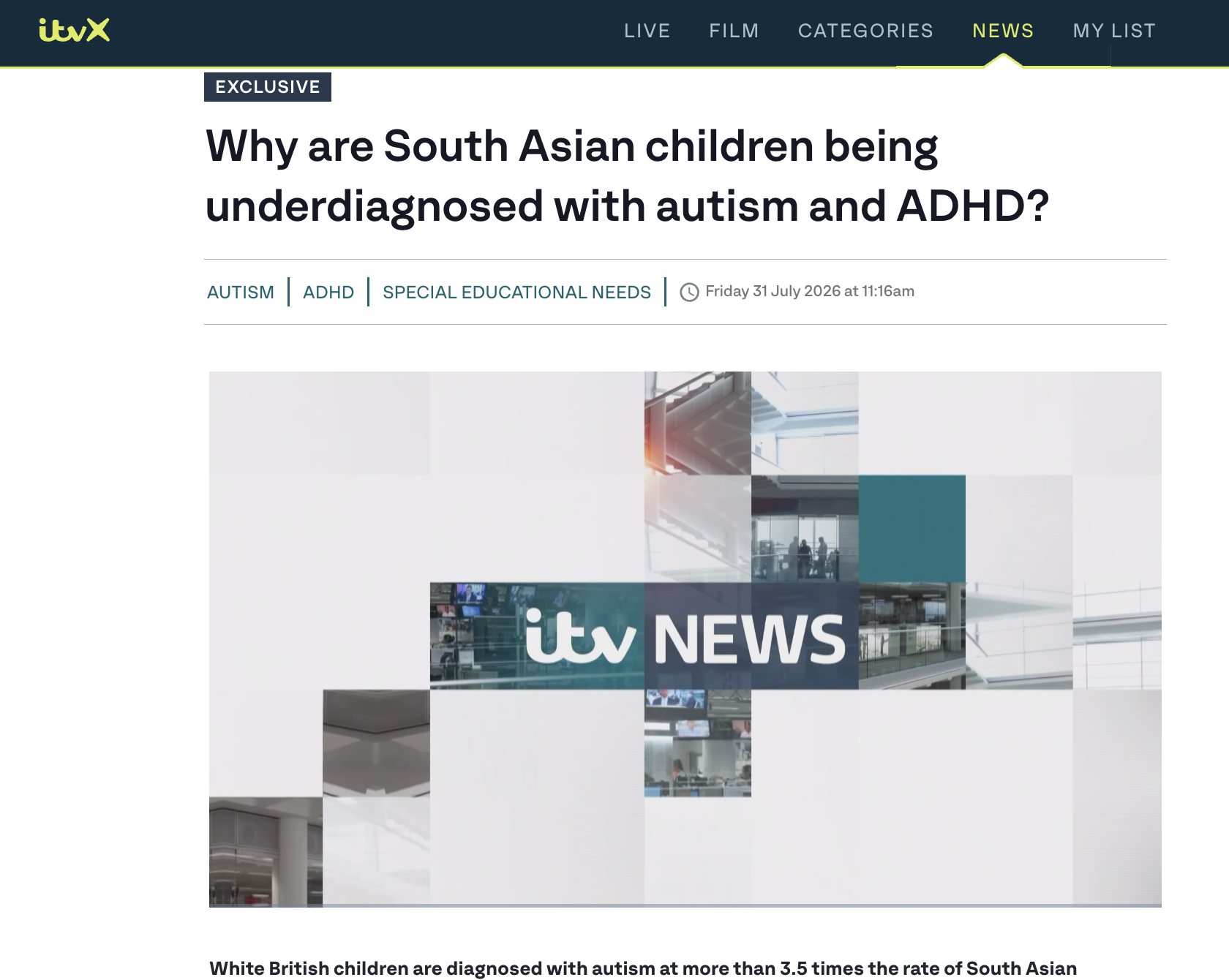
We looked at checks done when children start school (reception-class assessment) and found links to later autism diagnoses. This helps schools and health services spot autism signs earlier and give children support sooner.
As a result services have been re-designed in Bradford, and other centres nationally have adopted new pathways too.
Congenital anomalies
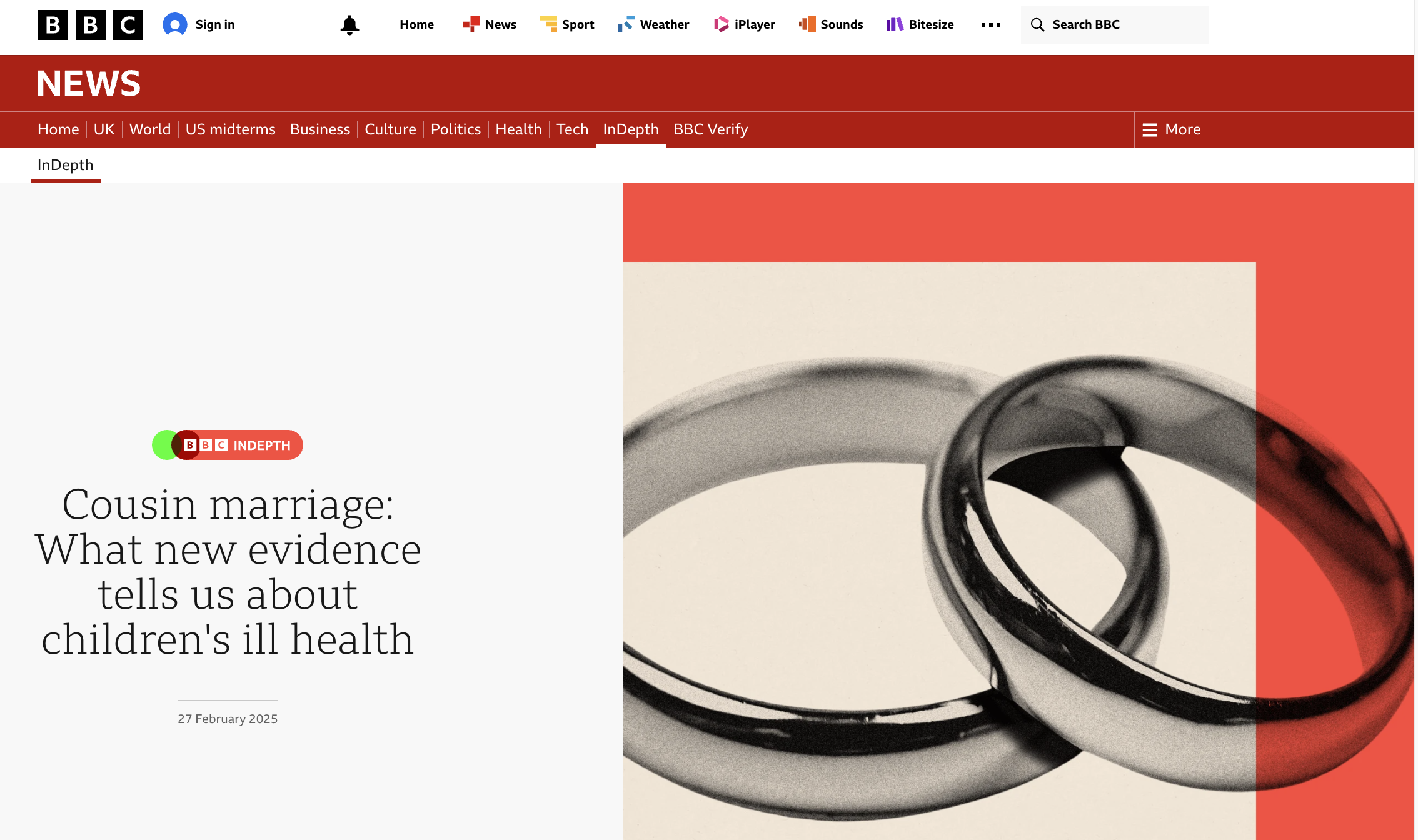
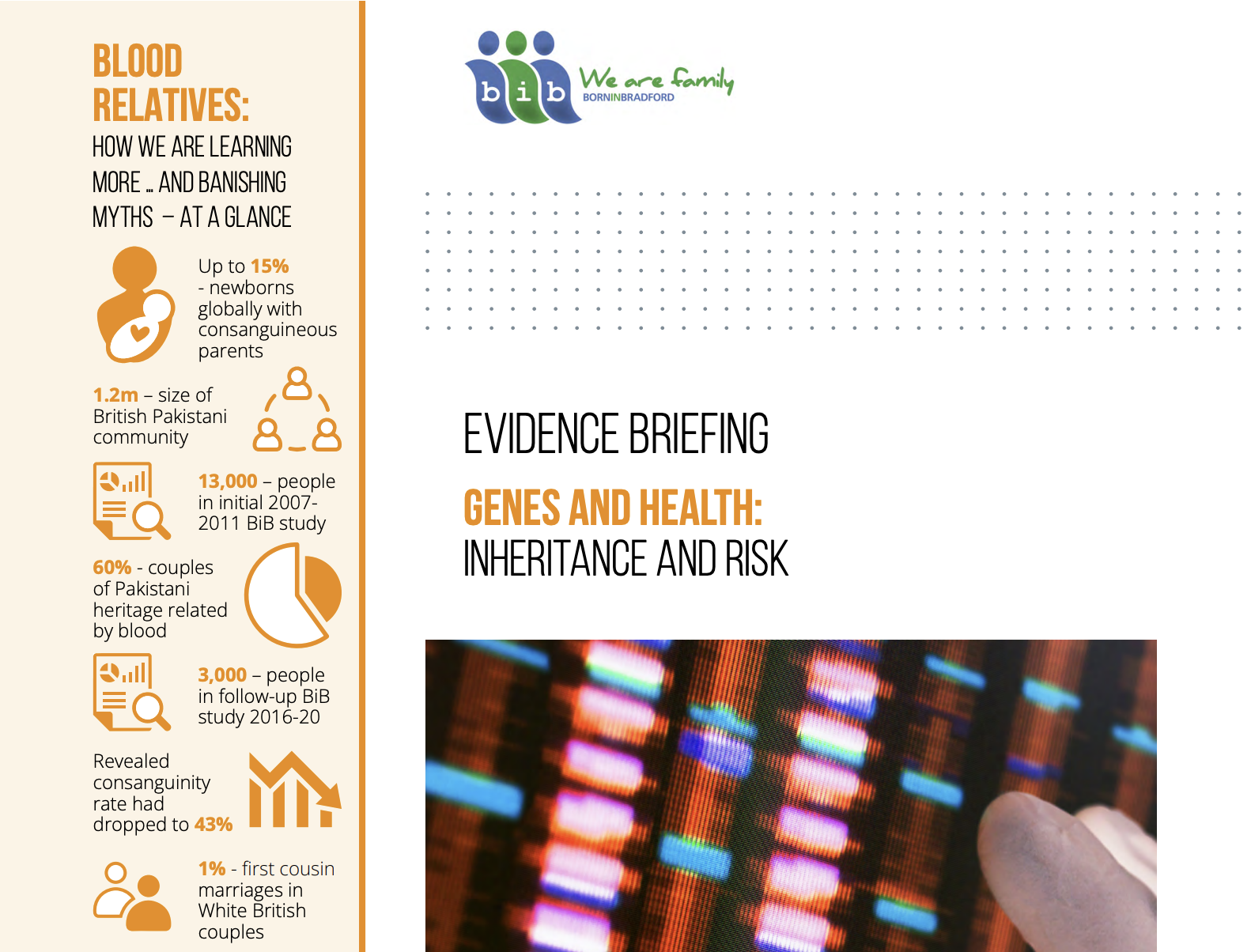
Our work provided clear, reliable evidence on the chances of a baby being born with a congenital anomaly (a physical or developmental difference present from birth), depending on whether the parents are related and on the mother’s age.
The findings were used by researchers and doctors around the world, and helped shape national policy. Our research has also helped to establish a regional congenital anomalies register.
Genetics
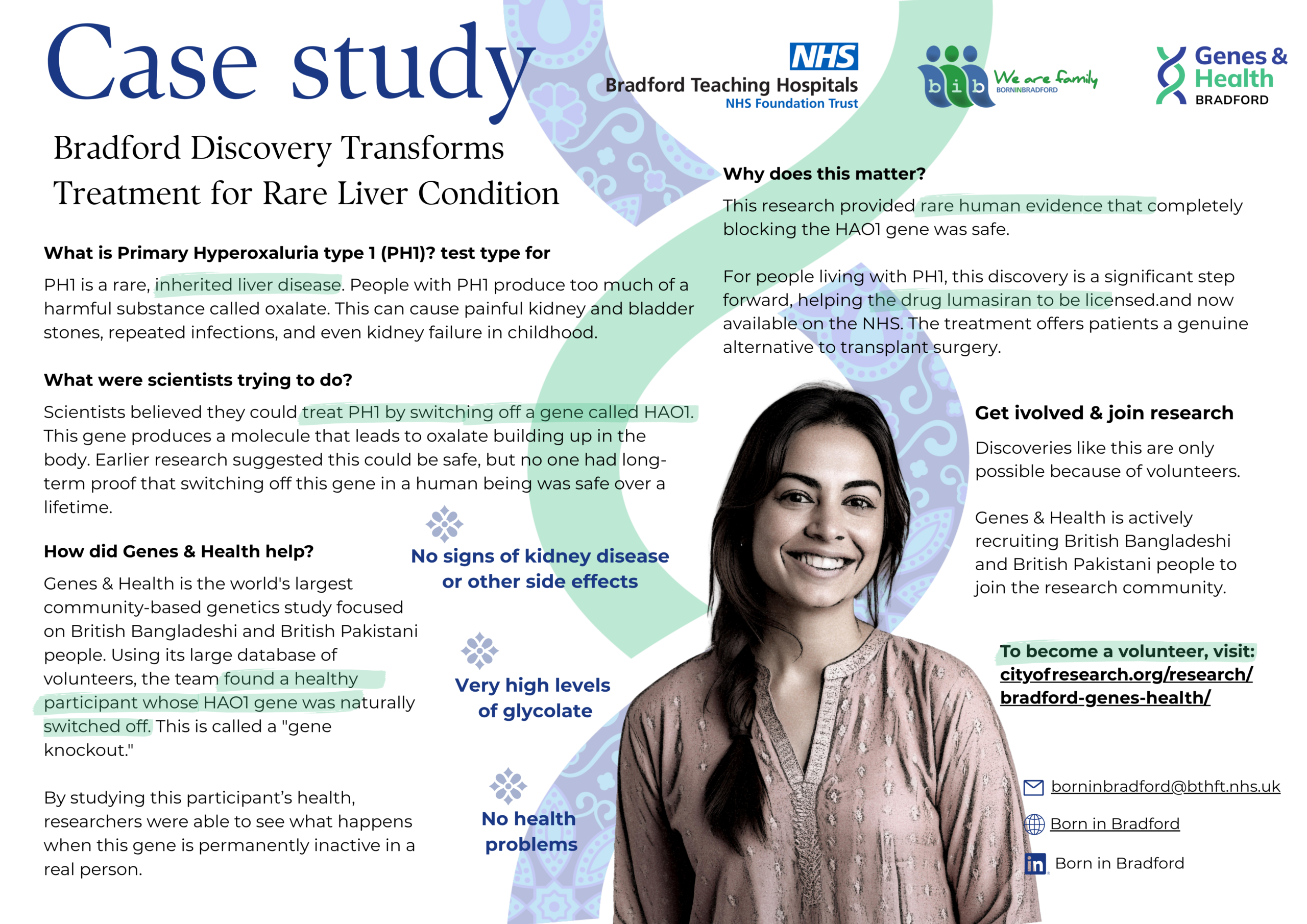
Our genetic research looked at naturally occurring changes in genes that stop them working (known as loss of function variants).
The findings have been used to identify potential targets for new drugs and to develop tools that predict disease risk.
Gestational diabetes
Gestational diabetes
Born in Bradford team has supported testing for gestational diabetes (diabetes that develops during pregnancy) for every pregnant woman in Bradford, and we evaluated how well it worked.
As a result, when testing was offered to women in Bradford, the number of diagnoses rose almost fourfold. A review of past records (a retrospective evaluation) found that women diagnosed with gestational diabetes had better outcomes.
Our research also provided evidence on glucose-related risks in pregnancy, and how the levels used to diagnose gestational diabetes differ between ethnic groups.
Perinatal mental health
Perinatal mental health
Our research has found gaps in the way clinical information is recorded around women’s emotional wellbeing during pregnancy and after having a baby.
Further research also found inequalities in who gets their needs recognised and treated. Women with limited English, and women from some ethnic minority groups, were affected most.
These findings helped shape changes to how information is recorded and how services are designed across West Yorkshire.
Earlier identification of autism
Earlier identification of autism
We looked at checks done when children start school (reception-class assessment) and found links to later autism diagnoses. This helps schools and health services spot autism signs earlier and give children support sooner.
As a result services have been re-designed in Bradford, and other centres nationally have adopted new pathways too.
Congenital anomalies
Congenital anomalies
Our work provided clear, reliable evidence on the chances of a baby being born with a congenital anomaly (a physical or developmental difference present from birth), depending on whether the parents are related and on the mother’s age.
The findings were used by researchers and doctors around the world, and helped shape national policy. Our research has also helped to establish a regional congenital anomalies register.
Genetics
Genetics
Our genetic research looked at naturally occurring changes in genes that stop them working (known as loss of function variants).
The findings have been used to identify potential targets for new drugs and to develop tools that predict disease risk.

Sign Up to Our Newsletter
Stay informed and inspired — sign up for our newsletter to receive the latest updates, research insights, and ways to get involved directly in your inbox!
"*" indicates required fields
